
ADHD
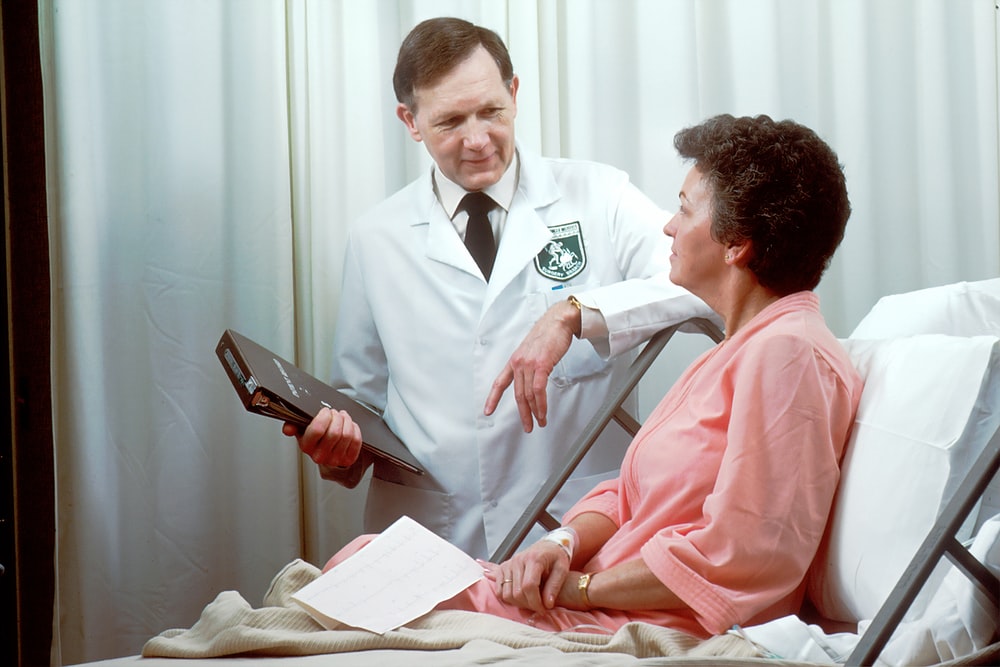
ADHD, or attention-deficit/hyperactivity disorder, is a chronic condition that affects millions of children and often continues into adulthood. This disorder is characterized by brain development and activity abnormalities that impact attention, behaviour, and self-control.
ADHD can be classified into three subtypes:
Managing ADHD can be challenging, requiring specialized care, including prescribed medication and behavioural interventions to manage symptoms.
ADHD's main characteristics include hyperactive-impulsive behavior and inattention. Before the age of 12, children with ADHD start showing symptoms, which in some cases show up as early as 3 years old. The symptoms of ADHD can be mild, moderate, or severe. ADHD affects boys more than girls, and the behavior’s can differ gender-wise.
Causes
The cause(s) and risk factors of ADHD are still being researched, but recent studies have shown that genetics plays an important role. Other potential causes and risk factors include brain trauma, exposure to environmental risks during pregnancy or childhood, tobacco smoking or consuming alcohol/drugs during pregnancy, premature delivery, and low birth weight.
The popular belief that ADHD is caused by excessive sugar intake, prolonged TV watching, bad parenting/ family issues, or social factors such as poverty is not supported by research. Of course, many factors, including these, may intensify symptoms, especially in certain children.
However, there is no sufficient and solid data to draw the conclusion that they are the primary causes of ADHD.
f you are concerned that your child may have ADHD, it is important to consult a specialist such as a child psychologist, child psychiatrist, or developmental pediatrician. Identifying whether a child has ADHD is a multi-step process, and there is no single test for ADHD. Treatment typically involves a combination of medication and behaviour therapy, with behaviour therapy being the first line of treatment for preschool-aged children. Successful treatment strategies involve close monitoring, follow-ups, and making changes as needed. If you need to make an appointment, you can contact us at 02 8069 2127.rategies. Kindly make an appointment with us at 02 8069 2127.
Contact Us NOW